Musings on children's literature, publishing, art (especially illustration), sometimes film and occasionally a few tidbits on education, especially the homeschool variety.
Discerning the Form
through the Art of Illustration
Part 3
Flatness
of Fairy Tales
In the minds of many today, fairy tales are
usually dictated by the Disney versions, the color palette and specific idea of
whom each of the character are.For many, Cinderella is not just any girl, it is Disney’s girl, and the
same goes for many of the other fairy tales colonized by Disney. However, in
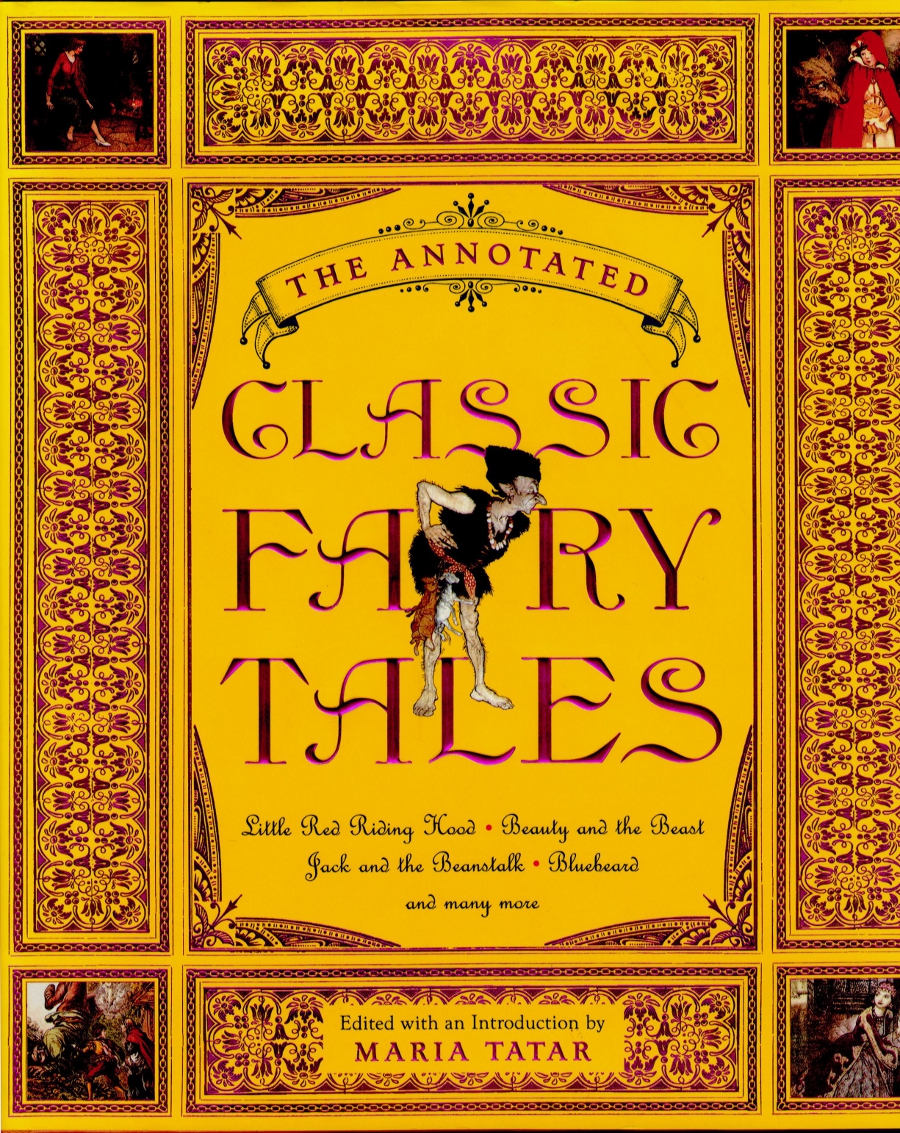
A.S. Byatt’s introduction to Maria Tatar’s annotated Grimm, she states that the
original tales have a “discrete, salutary flatness” and that they are “older,
simpler and deeper than the individual imagination.” I started to realize that
these tales are truly flat, but not in a negative sense.They are flat in that they are
universal, timeless, and they are able to connect to any individual, regardless
of who they are.They do not need
to be specific and elaborate, they instead have the ability to reach out and
touch the human soul and illuminate truth in a way that lights up the
imagination and creates this magical space where the reader or listener is
hooked and floods the page with the colors of their own imagination.
Byatt also
cites Max Luthi’s description of fairy tales: “an abstract world, full of discrete,
interchangeable people, objects, and incidents, all of which are isolated and
are nevertheless interconnected, in a kind of web…”Thus from one tale to the next, princesses and princes,
wicked step-mothers and kings, fill the role of their archetypes, but are not
unique individuals, and could easily be transplanted between tales. Moreover,
the aesthetic of the tales, the colors and imagery, has a certain palette,
Luthi says: “red, white, black and the metallic colors of gold and silver and
steel.”This bareness even in
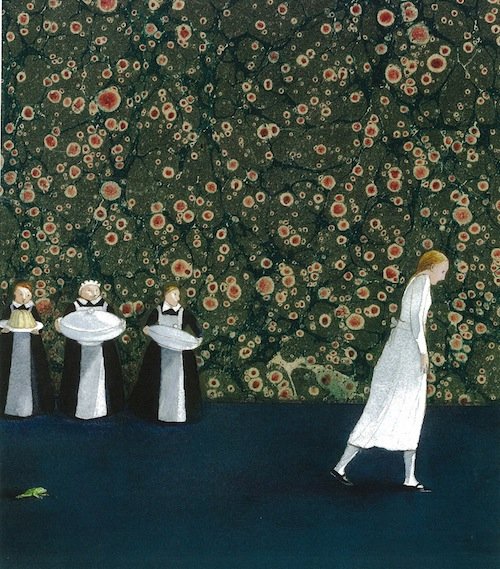
terms of color is then typified and exalted by the illustrations of Lisbeth
Zwerger.Here in a faultless
flatness she exudes the tension, annoyance, fear, movement, and pulse that
fills The Frog Prince. Zwerger is
able to wedge her illustrations into the flatness of the fairy tale, her
princess could be any girl, what is unique are the emotions she elicits, even
in its bareness and simplicity, and the magical space that she creates between word,
book, image and reader.
This past semester, I was steeped in Grimm's fairy tales, not only in my course on the brothers, but also with a wonderful exhibit at the Baldwin Library and an amazing guest lecture from Maria Tatar. I've been wanting to post on these things, so below I'm including photos from the exhibit and a reflection I wrote up for Maria Tatar's lecture, hope you enjoy!
First a few photos from Maria Tatar's lecture, and then some thoughts:
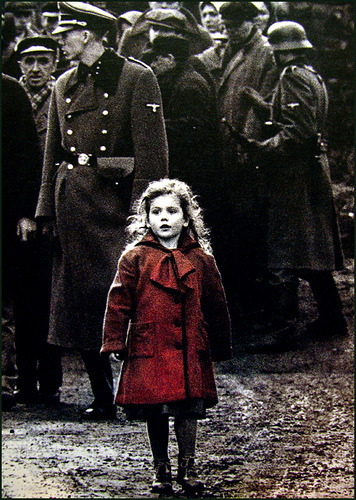
Had never thought about the Red Riding Hood allusions in Schindler's List
From left to right: Meg Leroy, Maria Tatar, and John Cech.
The following are just some thoughts I jotted down the day after her lecture:
Wow, Maria Tatar’s
talk was just wonderful.I loved
that she started out her presentation discussing what drew her to fairy tales as a
young child, and then used that as a starting point to spring forward into
conversation about fairy tales, from the “hearth and communal fire” to the
“Amazon Kindle Fire”.Professor
Tatar reflected that when she was little, her older sister would “read” stories
to her from an old German book, even though neither of them could read
German.However, what really drew
her in, and caught her imagination, was the use of illustration and how they
could tell the story.It fell right into place then, that Prof. Tatar chose to frame so much of her talk around
illustration and the visual, showing how essential that is to the fairy tale
experience for all.
She incorporated ideas from other fields such as E.O. Wilson’s book “Social
Conquest of the Earth”, which fleshed out some interesting perspectives for the rest of her talk.Following
her discussion of Wilson, she delved into the evolution of the nature of
storytelling by way of images from Jacque Stella’s “Winter Evening” to Seymour
Joseph Guy’s “Goldilocks”.
scanned from Maria Tatar's "Enchanted Hunters"
Seymour Joseph Guy’s “Goldilocks”
Prof.
Tatar then moved into the commodification of fairy tales, the ups and downs
of Disney, and a wonderful suggestion that the “iconoclasts”, the
“refashioners” of fairy tales are keep the stories alive, because they
instinctually make us want to go back and see the original.
Jumping into film,
Prof. Tatar laid out her five categories for the shape that fairy tales have
taken in the resurgence in Hollywood: action/adventure, teen romance, fairy
tale paracosm, grimm crime series, and "art films".Two things especially stuck with me from her
discussion of film: one was an image of the little girl in the red coat from Schindler’s List which Prof.
Tatar’s used in a wonderful reading of this as an allusion to Red Riding Hood, a vulnerable small girl, dressed in red, be hunted down by the Nazi wolves, in the grim and bleak "forest" of World War II Nazi Germany; and the second thing, idea that fairy tales have been “dehistoricized” and “colonized” by American
culture.Lastly, her reading of
Gretel as a trickster was fascinating and seeing how others have perhaps unconsciously alluded to this aspect of Gretel in other works was wonderful: starting with the discovery that Anne Sexton had caught onto this
trickster agency role of Gretel in her poem from her Transformations collection, all the way to connectingit with Jurassic Park and Katniss, and
the idea that deception leads to beauty, poacher to song, snares to poetry.
Very excited to get to attend a talk tonight by Maria Tatar on the Brothers Grimm entitled, “Mythical and Magical: 200 Years of the Brothers Grimm”!! Will post about the talk soon, jointly with a visual tour of the Baldwin Library (A special collections library devoted to children's books) that I've been waiting to post.
Once upon a time… in the dark theater I sat waiting for Snow White and the Huntsman to begin. But before that could happen, I had to endure some extremely unrelated trailers, starting off with a movie coming out on Katy Perry... At least at our local theater, they've elongated the trailers time, I mean when I went to see The Hunger Games, I was literally almost 25 minutes late and I didn't miss a moment of the film. But anyways, back to Snow White. So I wasn't sure what to expect, would this film completely take this fairy tale in a place where it didn't need to be? Would it have a horrible screenplay and acting? I'll be honest I was kind of leaning towards the positive side, unlike most people probably who seem to have a real dislike for a certain young actress, but I had already watched some of the press interviews and it seemed like the story was in good hands, with interesting motives and intentions.
Now I should say that I went to the movie with my dad, who had already seen it. Now let's explain this. So the weekend before I saw Snow White, my mom and dad where hoping to see a film called "For Greater Glory" which was supposed to be playing at our theater, but when they got there it turns out it didn't make it to our theater, which kind of makes sense since our town rarely gets any smaller, independent films... But anyways they called me to say that they were instead going to be seeing Snow White, which I REALLY wanted to see, as did my dad and my mom was kind of impartial to the idea.
When they finally got home, I asked them on entering the door, "So... how was it?" My dad responded positively, saying he actually liked it a lot and he was surprised by the epic battle scenes. And my mom said that surprisingly she kind of liked it. A little while later my mom told me that, though she liked it, she thought that the "girl" playing Snow White wasn't that good, she wasn't strong enough to pull off the role. But I was unconsciously ready for this opinion. And what I'm about to tell all of you in the form of my thoughts about this film, is in part what I told my mom and I actually changed her view on Kristen Stewart's performance:
So first of all my perspective on Kristen Stewart's performance that I had going into the film and what I imparted to my mom. So after watching a few too many press interviews, what I came away with was this: Kristen Stewart was attracted to this role not because it was epic and had battle scenes not because Snow White's character was physically and outwardly strong. What attracted her to this role was the fact that Snow White didn't have that sort of strength especially at the beginning, her strength came from an internal and intangible strength and a steadiness and was able to ground those around her. She liked that it didn't play into the modern ideal that women have to be so strong and act like men, Snow White is instead vulnerable and gentle and calm. And from this different inner strength she was able to lead a people.
Now to my perceptions after seeing the film, I LOVED how it started, with the Huntsman's voice as narrator, playing into the history of oral tradition, it set a great tone for the film. The film is truly beautiful shot and detailed, it was one of the most beautiful films I've seen, the colors, landscapes and small details that they thought to put in were well done. And they were able to create such beauty and such destruction, epitomized in the juxtaposition of the "Dark Forest" and the "Sanctuary" or Enchanted forest that they finally make it into (I've included two quick video scenes from each setting right below).
I thought bringing in the aspect of the backstory not only for the Evil Queen but for all the characters, like the Huntsman, was an essential piece to the layers of the film. The film also seemed to raise not only the questions of pure inner beauty and fake outer beauty, but I saw the set up of the battles between life vs. death, religion vs. magic and faith vs selfishness.
The movie definitely left me thinking, both during and after. This may be in part because I'm taking a class on Grimm's Fairy Tales this fall, but I came home after the movie and read Grimm's version of Snow White from Maria Tatar's Grimms Tales Anthology. And really, essentially and at its core, they stayed true to the tale. The main differences are the perspective that the film takes on Snow White's character arc which in a way is much more believable in that it shows how much time passes and explains how she got into and deals with the situation she in, instead of in the text where she starts out a young girl, as she does in the film, but by the end when she meets her prince are we sure whether she's not still a 7 year old girl in the text? Also, the film creates an ambiguity in terms of who really is her prince, and if you've seen the film I would love to hear your thoughts about this! And lastly, I was intrigued by the inclusion of the village of solely women that's included in the film's story and not in the Grimm's version. These women have all marked themselves, sacrificed their outer beauty in order to stay safe from the Queen, and I thought this aspect was extremely interesting and loved those scenes.
All in all, I definitely enjoyed the film and am looking forward to watching it again once my class is done this fall and probably have new ideas and insights into my opinions of the film and the story itself. I would love to hear thoughts from anyone else who saw the film or thinking about seeing it :)
Here are two of the videos with great comments by Kristen Stewart and Charlize Theron (although I don't like the setup for these two interviews in that we can't hear the questions and it creates a bit of a broken up conversation, but they are good):